Monument List
When socialism in Europe dissolved after 1989, the former Eastern Bloc and Yugoslavia experienced a wave of historical revisionism and monumental iconoclasm that targeted mostly monuments and collective memory related to the antifascist, socialist, and Soviet past. Despite heterogeneous socialist histories, it became increasingly concerning that one of the central pillars of post-WWII Europe, the antifascist struggle and its legacy, came under heavy revision: sometimes erased or slowly forgotten, at other times even equated with fascism. Writing/Erasing: Monument Politics in Post-socialist Times proposes that these changes were not felt and conducted only in the post-socialist states but also in what became known as the former West. Moreover, there was an array of countries in the West that continued to preserve (pro)fascist monuments.
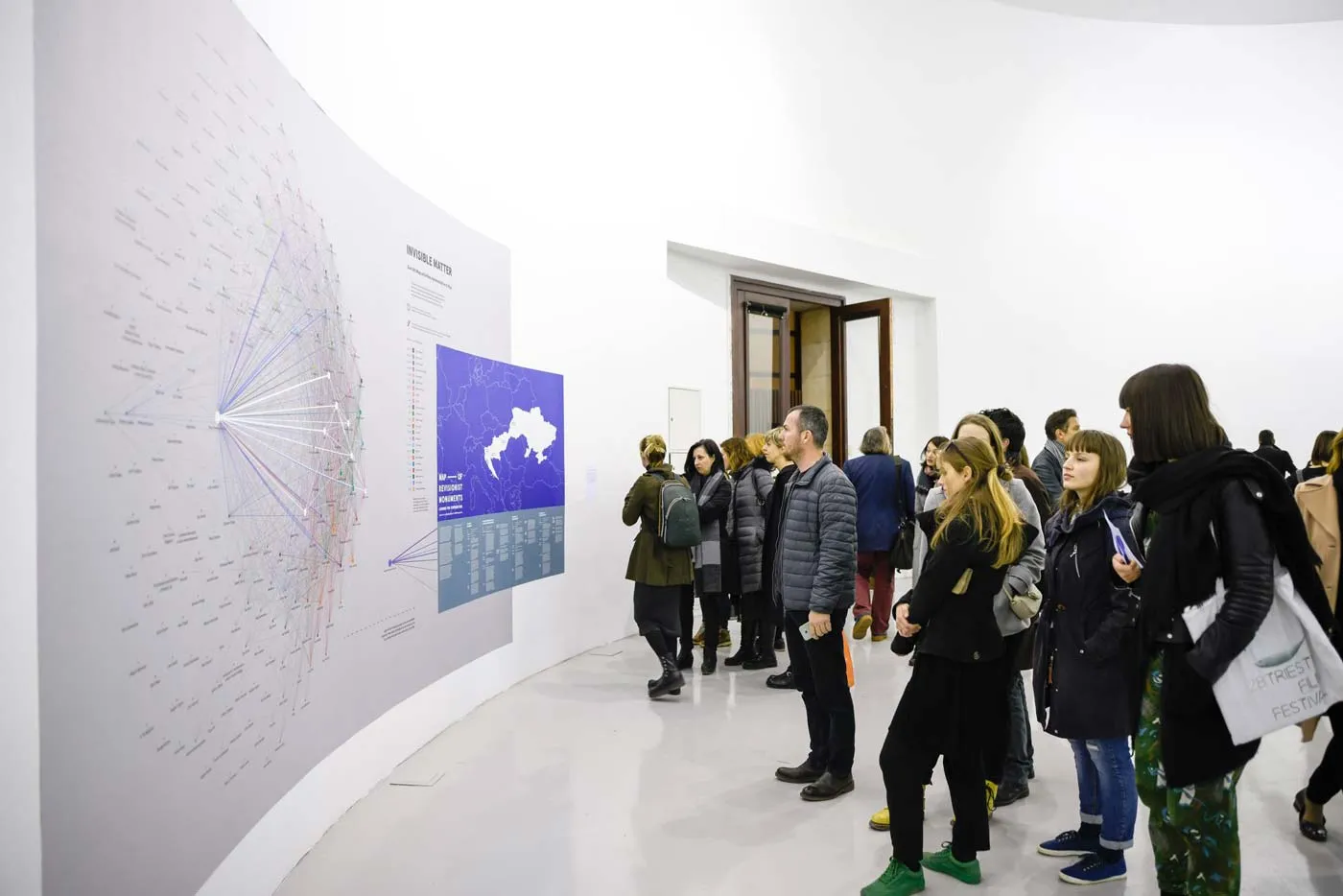
Historical revisionism translated into different commemorative strategies: from the destruction of the existing partisan, socialist, and Soviet monuments to changing their meaning by substituting the original symbols, from the erection of monuments to national reconciliation that equates fascists and antifascists to the erection of monuments celebrating fascists and local collaborationists. In the last decade, the trend to equate fascism and communism culminated in an attempt to conflate diverse experiences and political institutions as equally oppressive on a European level. The open call for the Pan-European Memorial for the Victims of Totalitarianism in Brussels was a pinnacle of this ideological move. In response, we initiated the Map of Revisionist Monuments (2018), a research project to classify and analyse these trends.
Monument List, at monumentlist.eu (opens in a new tab), is the archive in progress that grew out of it: a collaborative research project initiated with Gal Kirn to document monuments that rehabilitate or celebrate local collaborationists, pro-fascist ideologies and figures, and ultra nationalist narratives in post-socialist times. Researchers, historians, artists and local witnesses are invited to contribute cases.
Installation
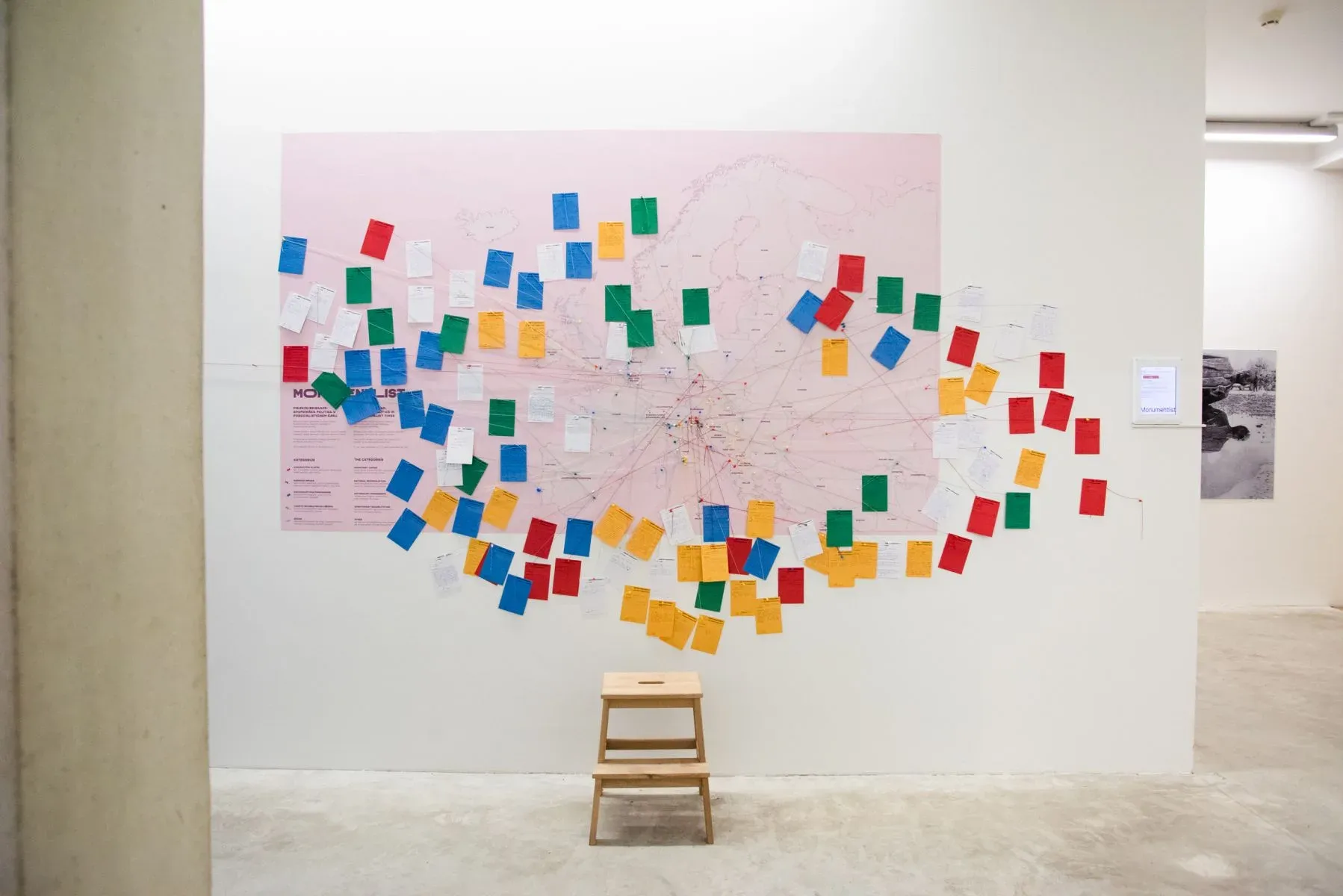
From February 2025 to February 2026, Monument List has been installed at Museum of Contemporary Art Metelkova (+MSUM) in Ljubljana, gathering submissions from museum visitors alongside the online platform. The installation is part of the exhibition (Un)Equal Geographies. The Politics of Memory, Power, and Resistance, curated by Bojana Piškur, which brings together works from Moderna galerija’s Arteast 2000+ collection alongside new projects addressing the construction and contestation of historical memory.
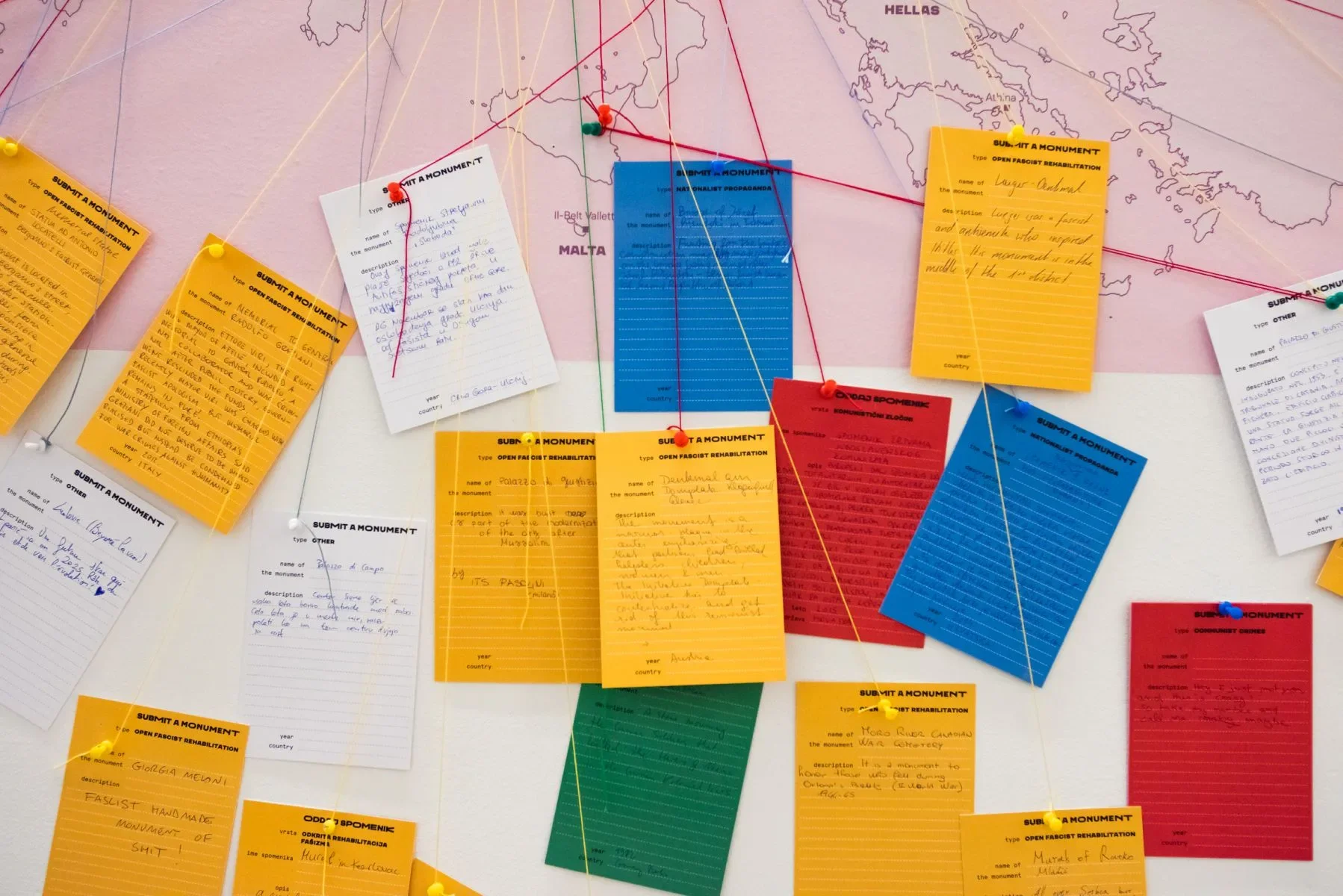
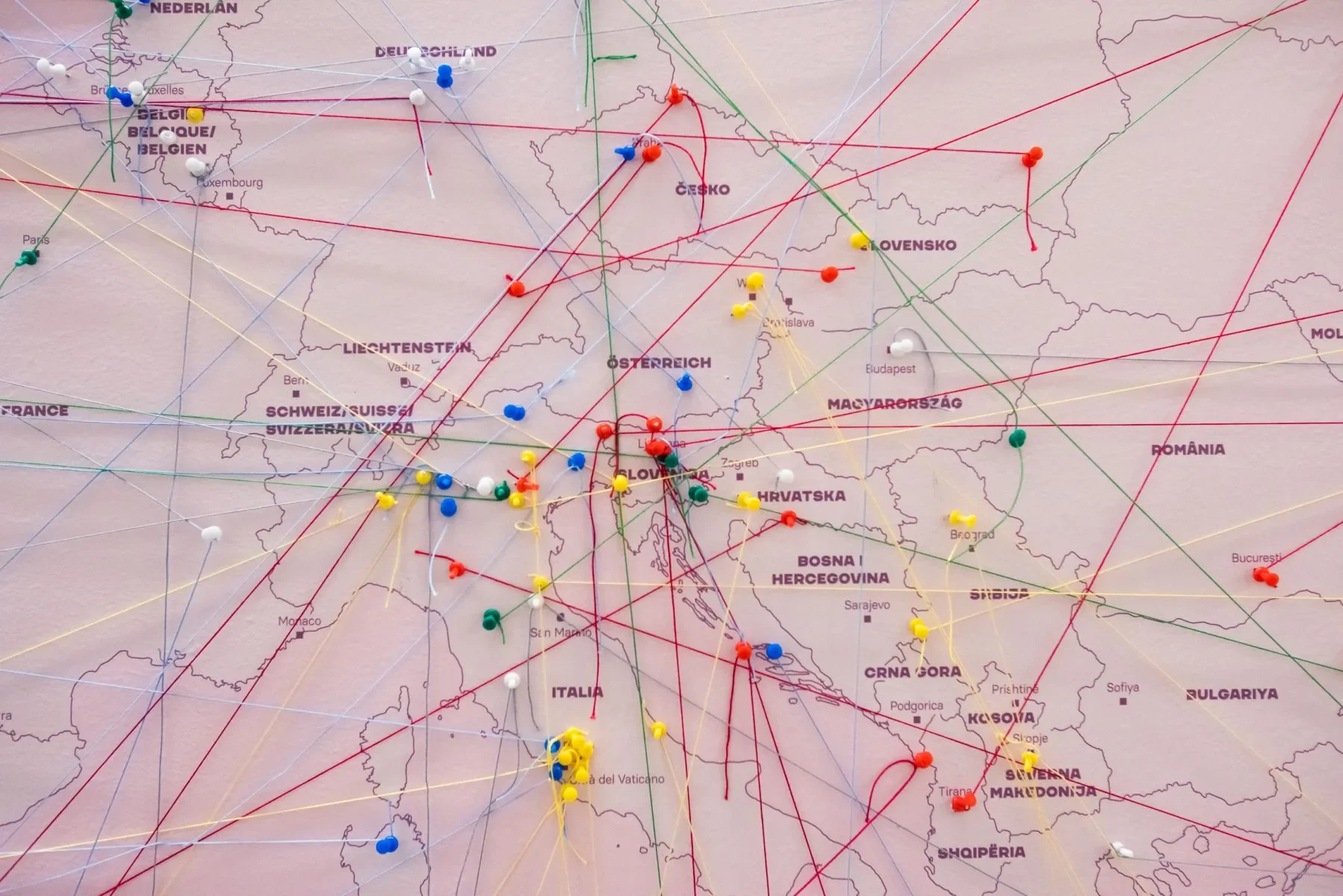
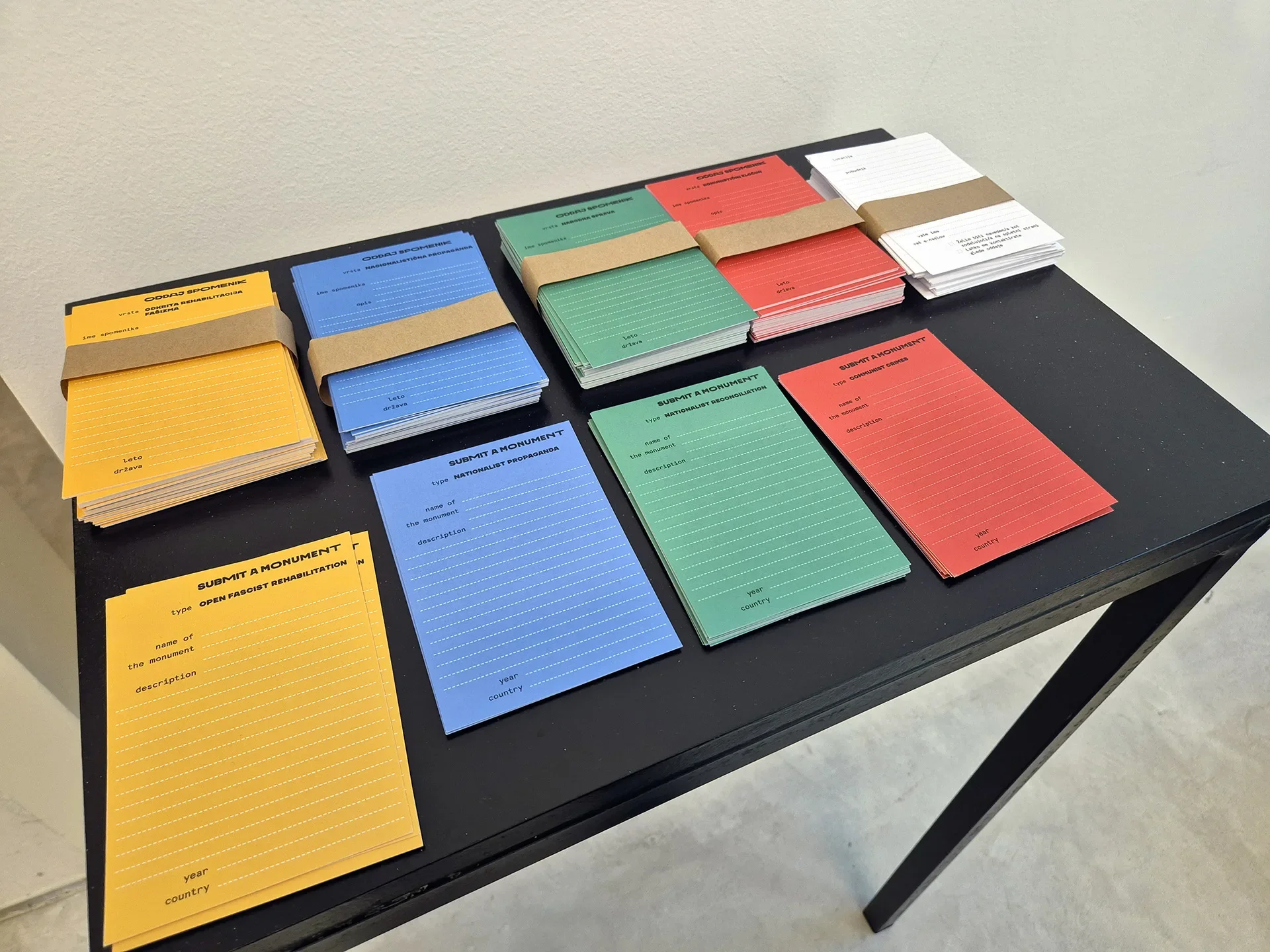
The installation consists of a printed map of Europe mounted on the wall. Visitors describe a monument on a card, assign it a category, pin it to the map, and connect it to the location with thread. The cards are color-coded and labeled by category: Communist Crimes, National Reconciliation, Nationalist Propaganda, Open Fascist Rehabilitation, and Other, the same categories used in the online database. A tablet on the wall provides access to the website, where visitors can see what has already been added.
Workshop
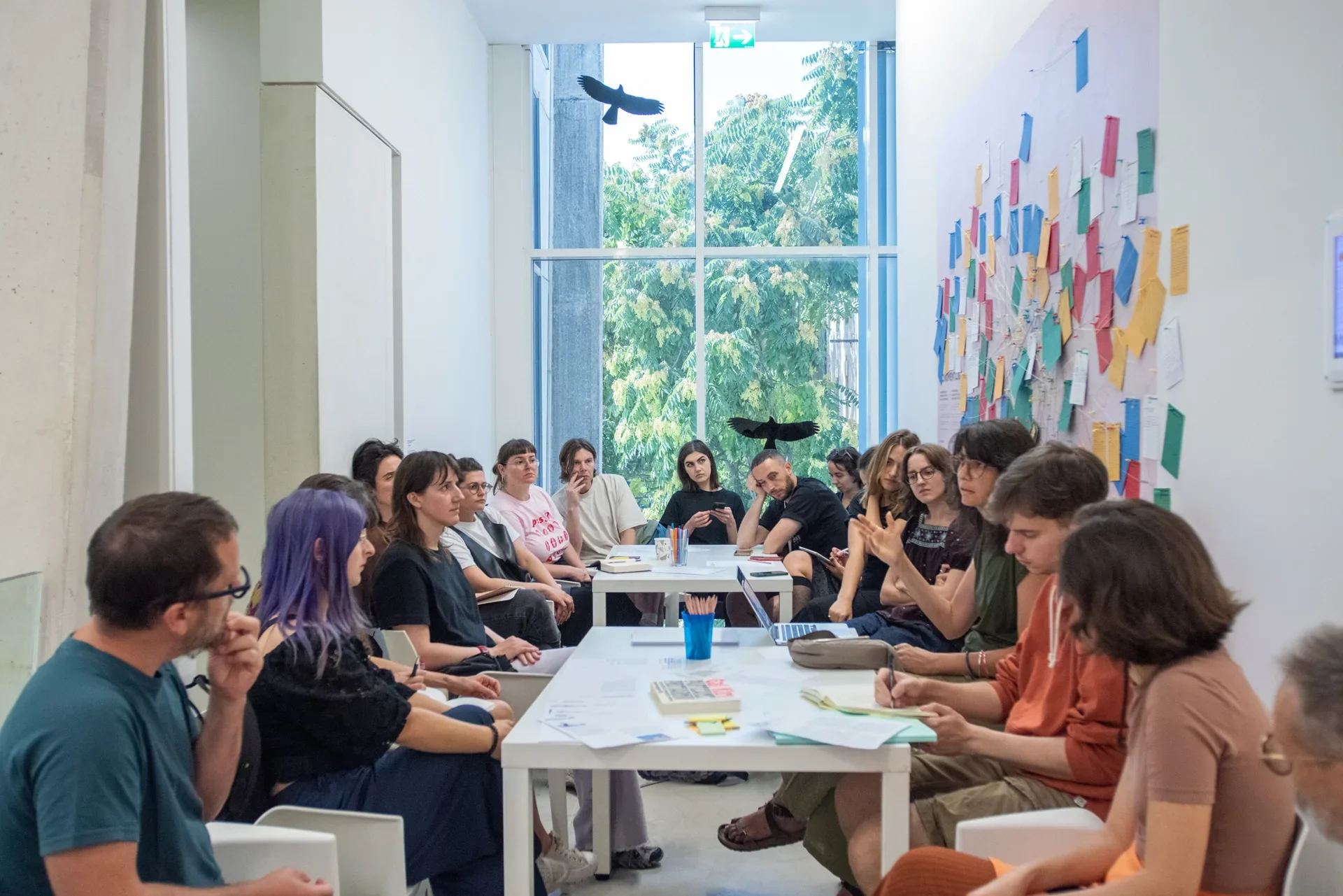
In August 2025, Fokus Grupa led a workshop as part of the fourth edition of the international summer school Revolutionary Roads. Destination: Comradeship, organized by Moderna galerija (Ljubljana), the Museum of African Art (Belgrade), and the Museum of Contemporary Art of Montenegro (Podgorica). The summer school brought together 26 artists, curators, and researchers from across Europe and beyond.
The workshop took place in Ljubljana, in the same space as the Monument List installation. Participants were asked to submit one or more case studies to the monumentlist.eu website before arriving, and to read texts by Gal Kirn on monumental iconoclasm and the partisan counter-archive. The session provided time and space to discuss the submitted cases, situate them within the broader history of revisionist monuments, and examine the classification system used on the website, with the possibility of questioning existing categories or proposing new ones.
Images
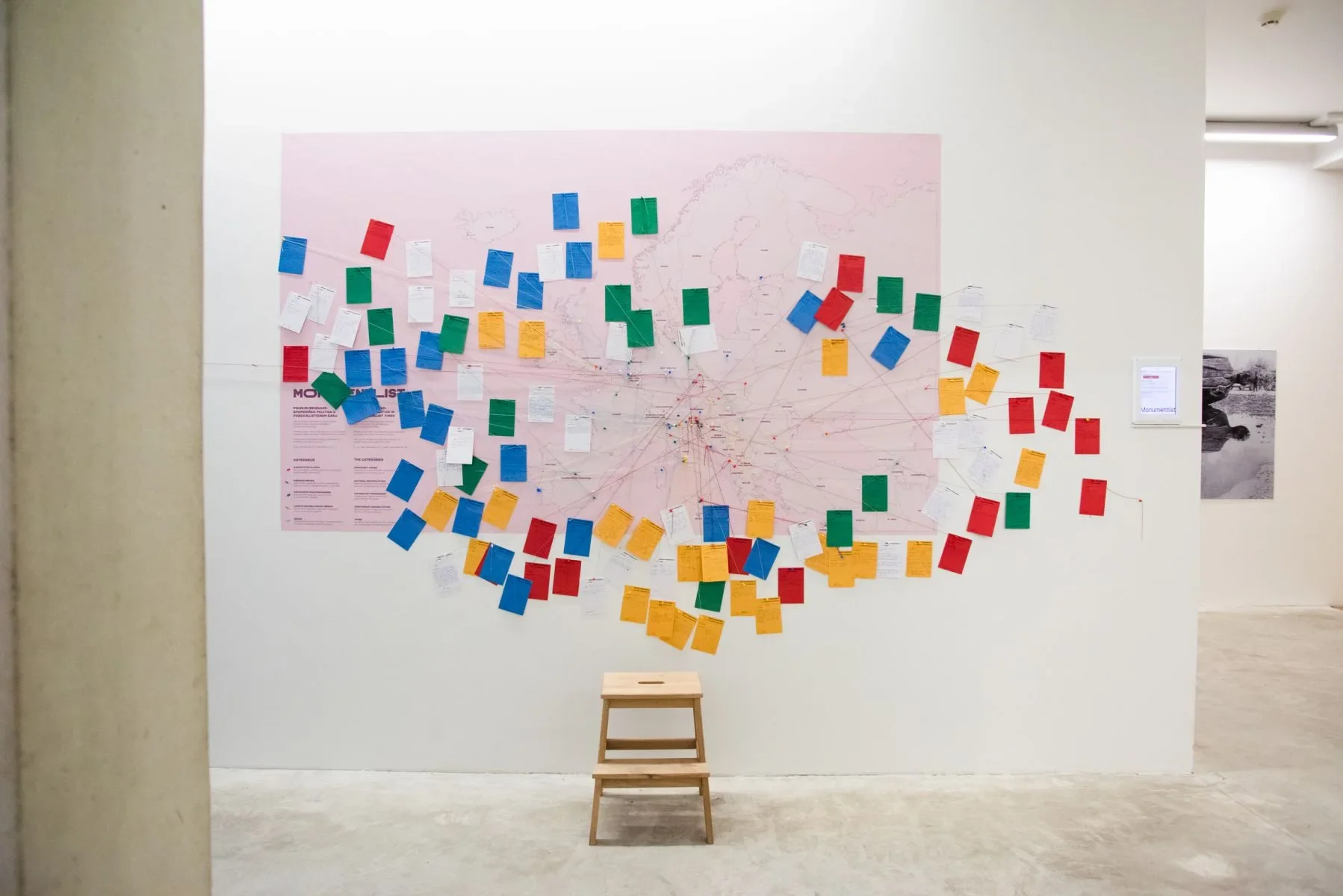
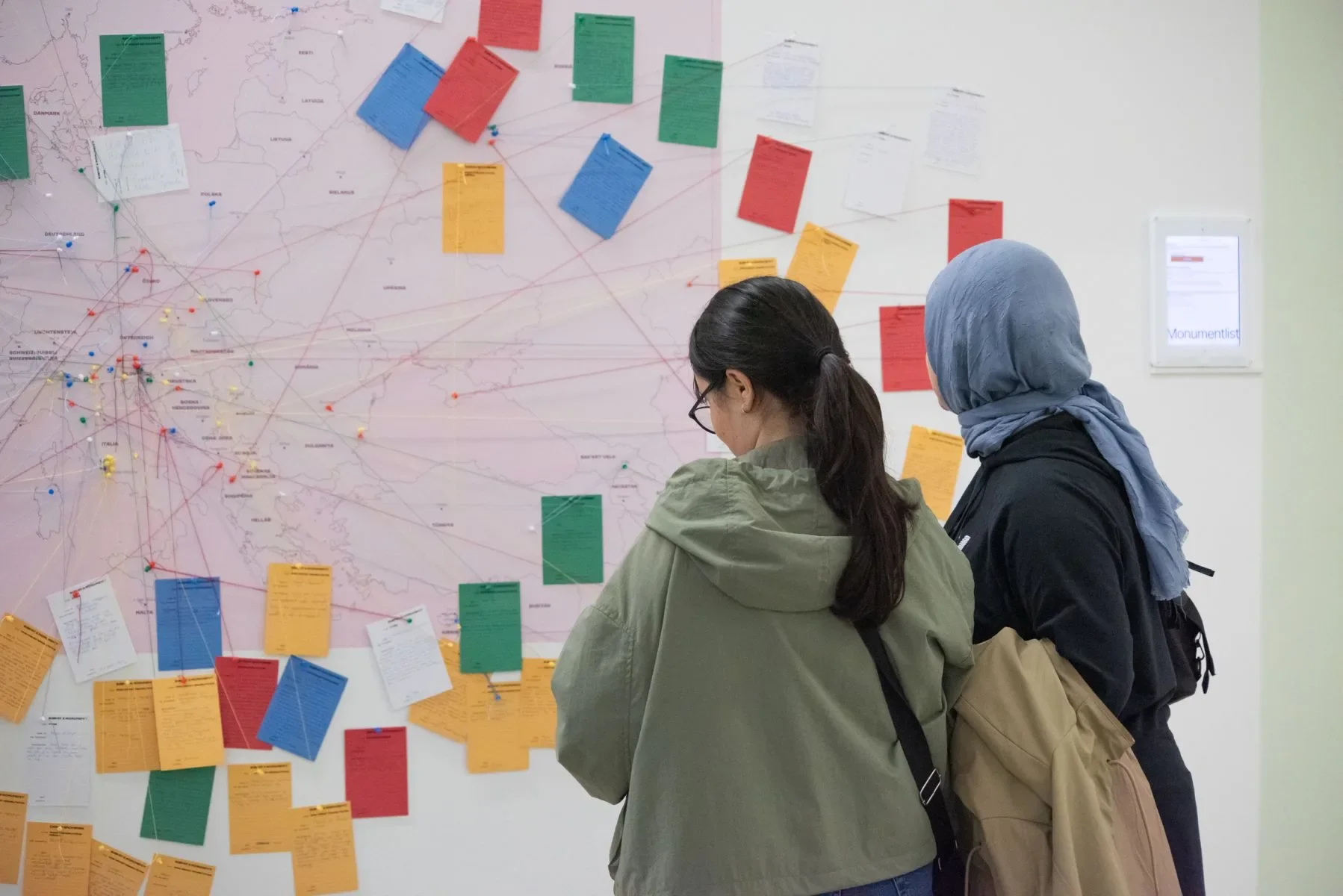
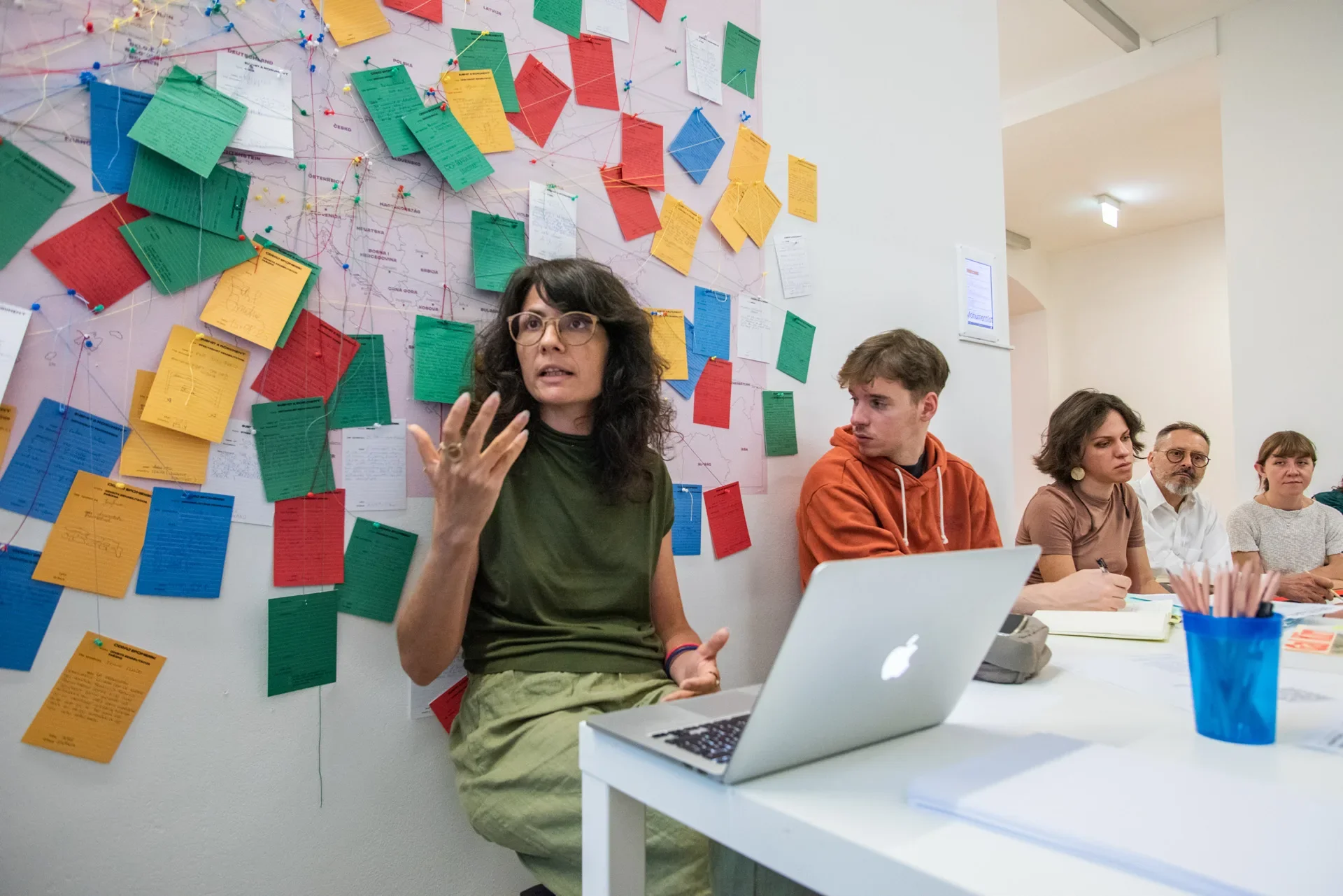
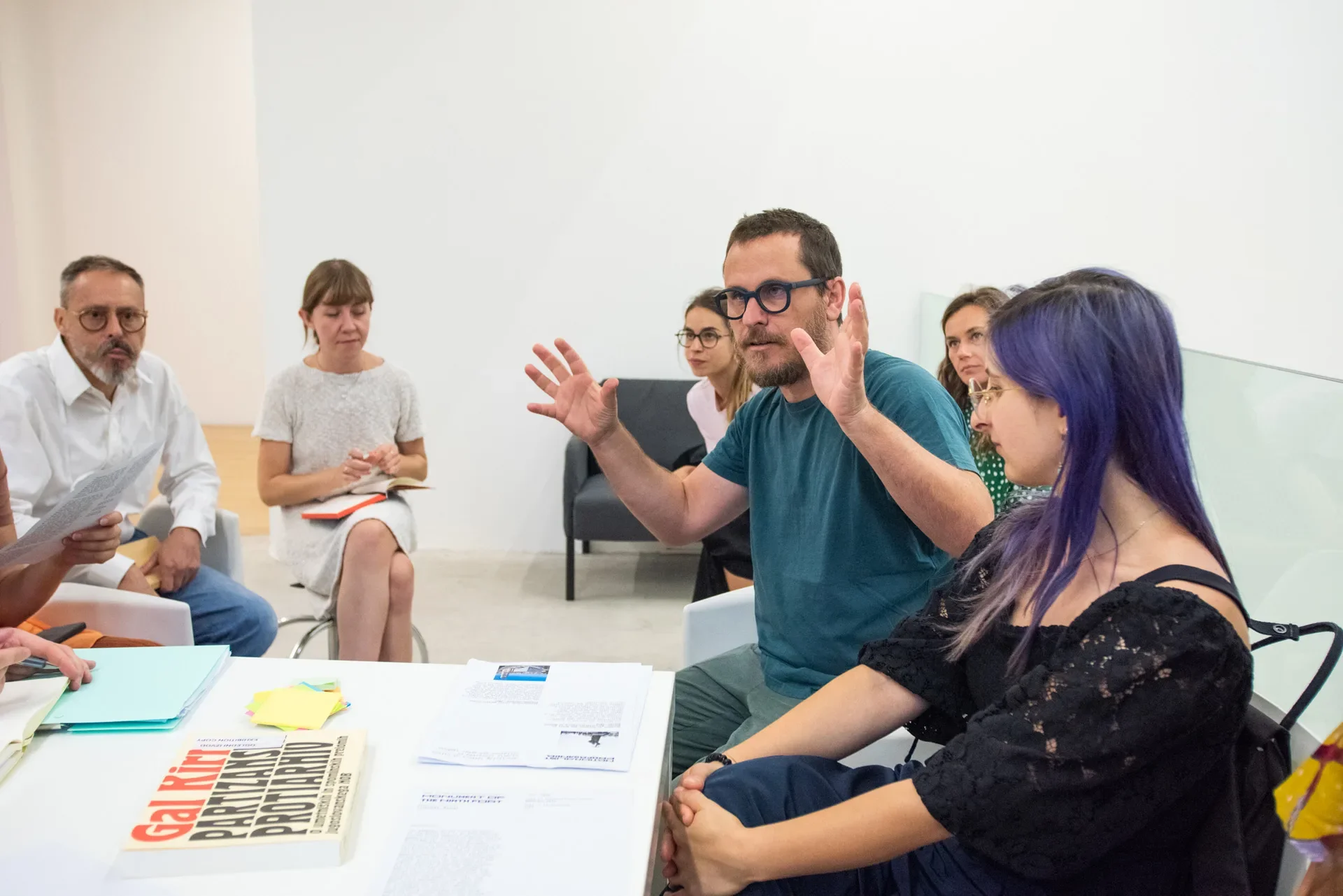
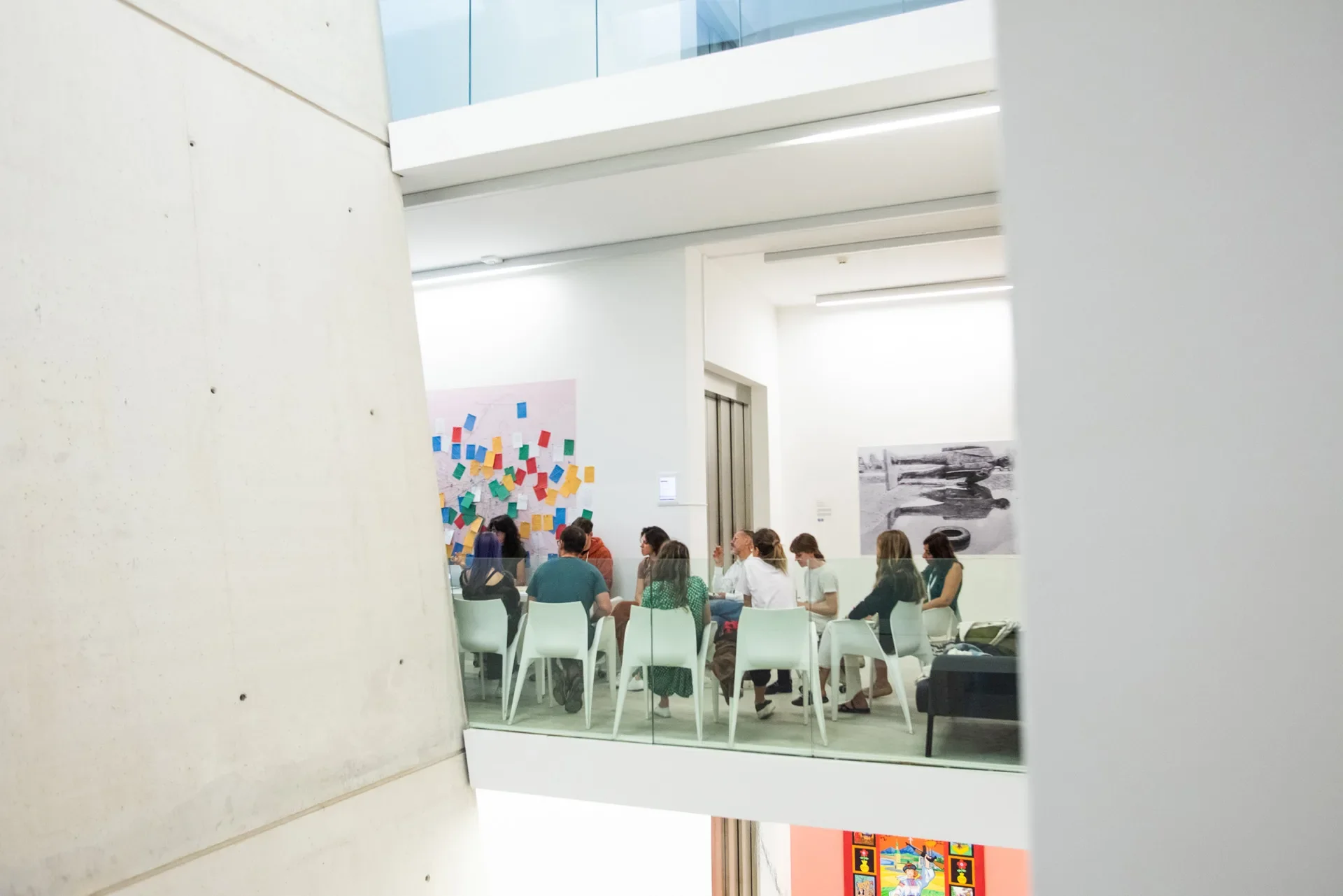
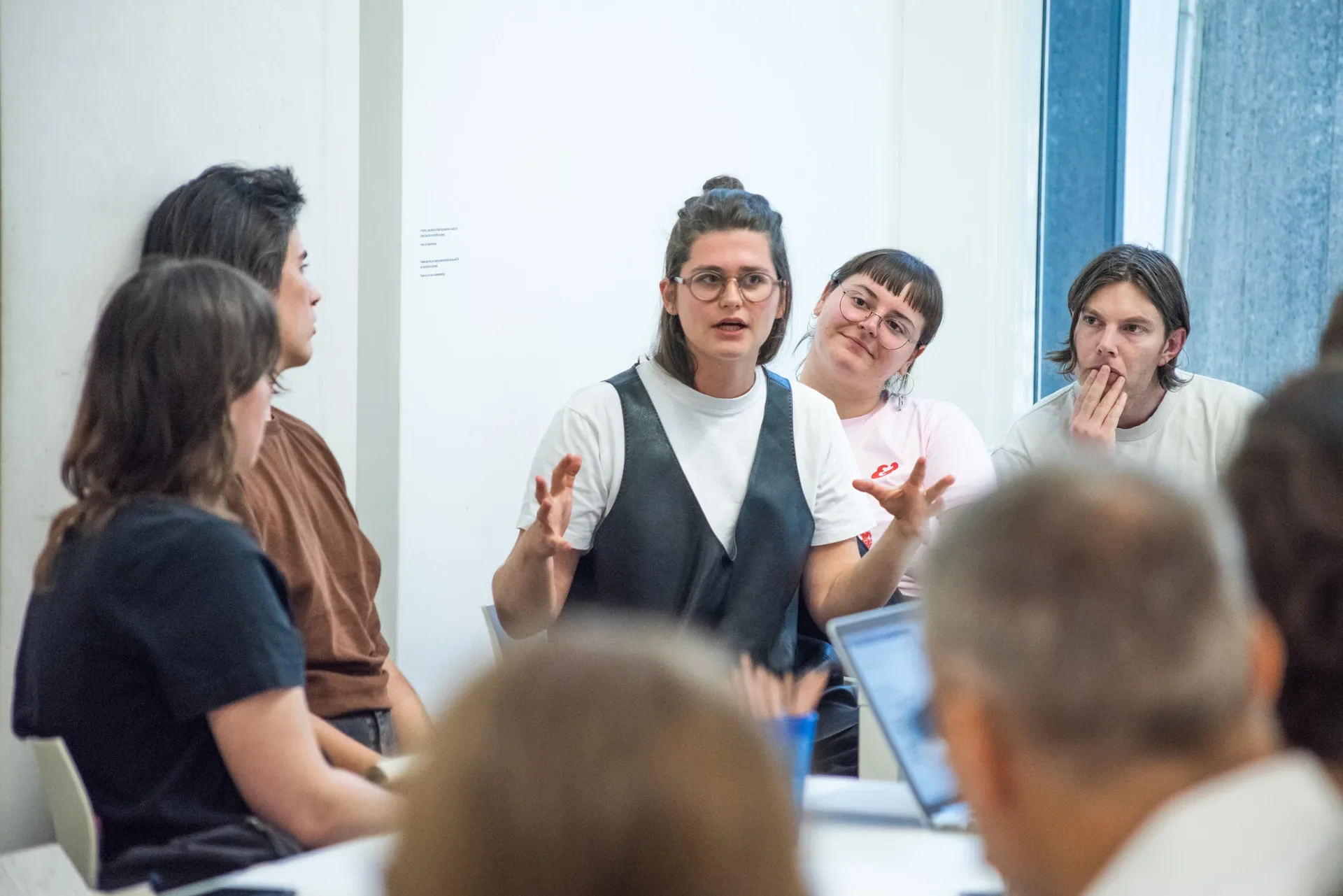
Photos: Urša Rahne / © Moderna galerija, Ljubljana, and Fokus Grupa.
Credits
- Initiated by: Fokus Grupa and Gal Kirn
- Supported by: Museum of Contemporary Art Metelkova (+MSUM), Ljubljana; Ministry of Culture of the Republic of Slovenia
Shown at
- (Un)Equal Geographies. The Politics of Memory, Power, and Resistance, curated by Bojana Piškur, Museum of Contemporary Art Metelkova (+MSUM), Ljubljana, 20 February 2025 – 8 February 2026 (opens in a new tab)
- Monument List workshop, International Summer School Revolutionary Roads. Destination: Comradeship, Museum of Contemporary Art Metelkova (+MSUM), Ljubljana, August 2025 (opens in a new tab)