Reading corner: Imaginative Soldiers
Altar of the Homeland, “a monument to all that have died for Croatia” was erected near the Croatian capital, Zagreb. It was inaugurated by Franjo Tuđman, first Croatian president on May 30, 1994. Sculptor Kuzma Kovačić created a peculiar kind of minimalist sculpture arranged out of stone blocks brought from all regions of the country and glass blocks in place of the sea. The monument represents total unity of the homeland in a form of a sanctuary to the nation, it’s blood and it's land.
Recent re-emergence of the far-right political organisations across Europe re-actualised the 1990’s wars in the Balkans. In the imagination of the political right old alliances can easily be to reestablished and new ones can be forged in order to fantasise about “brotherhood and unity”, but also about “ancient enemies”. In comparison to the 1990’s Serbs and Croats don’t even need to start a war, there is a ready-made conflict happening in Ukraine. This appropriation of war by extreme nationalists, is built upon the very core of imaginary nature of the concept of love-for-each-other-via-the-state, which serves as a striking reminder of perverse ways we relate to each other based on national myths.
The Altar to the Homeland gains a new urgency in this new context. Devoted to all Croatian heroes it represents a very “inclusive memorial”. Who are all the heroes that have died for Croatia? Are they also the Ustaše - WW2 collaborationists? Recently the phrase “…to all the victims“ reemerged in Serbia to deny the collaborationism with the nazis in the WW2, on the side of Chetniks.
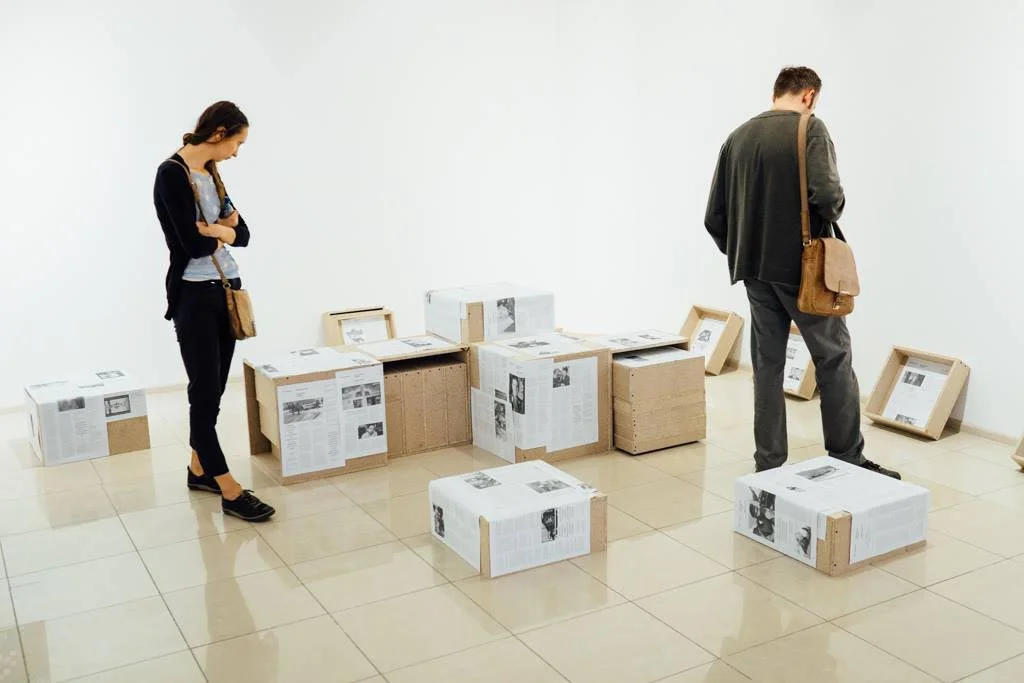
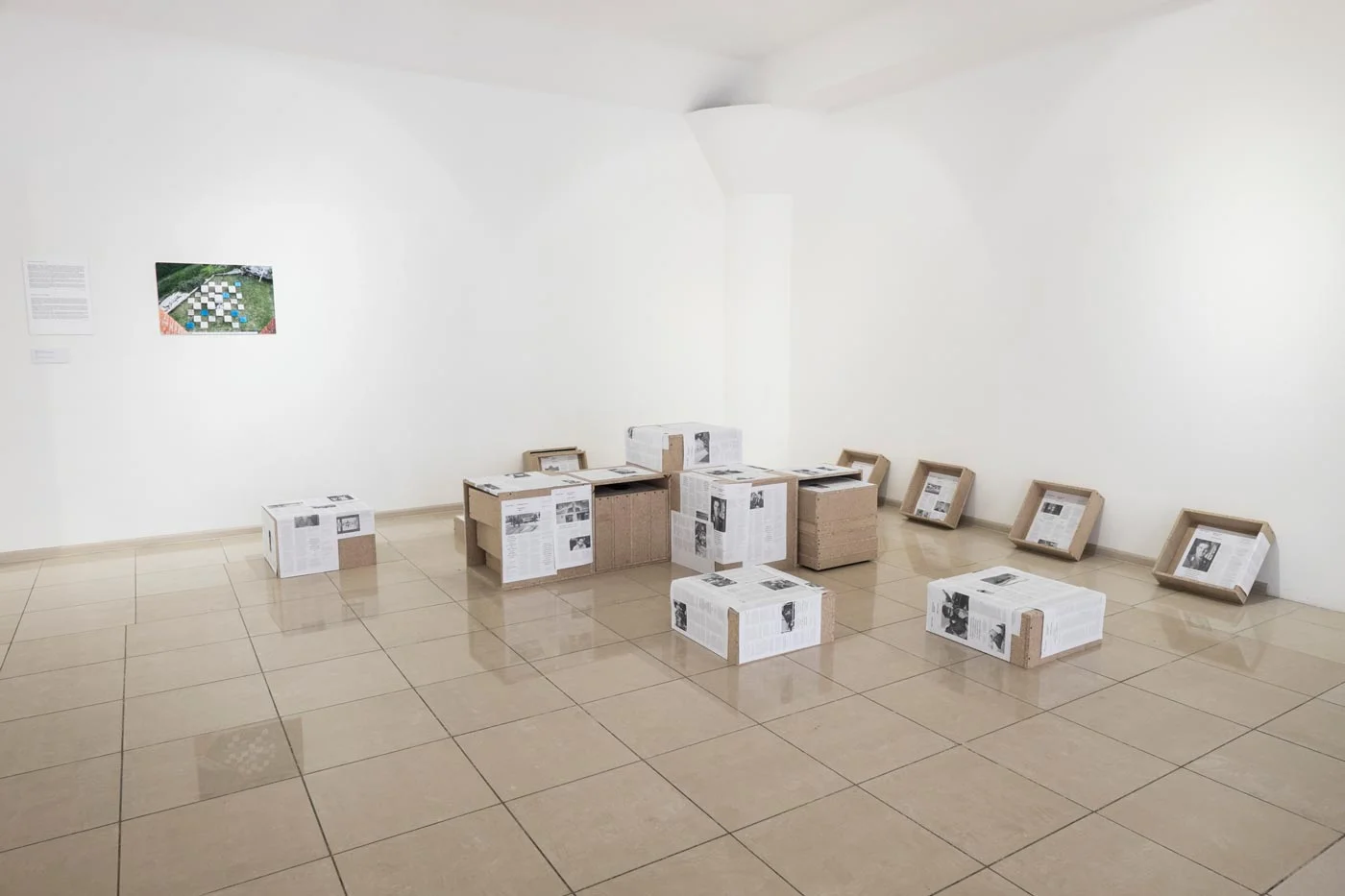
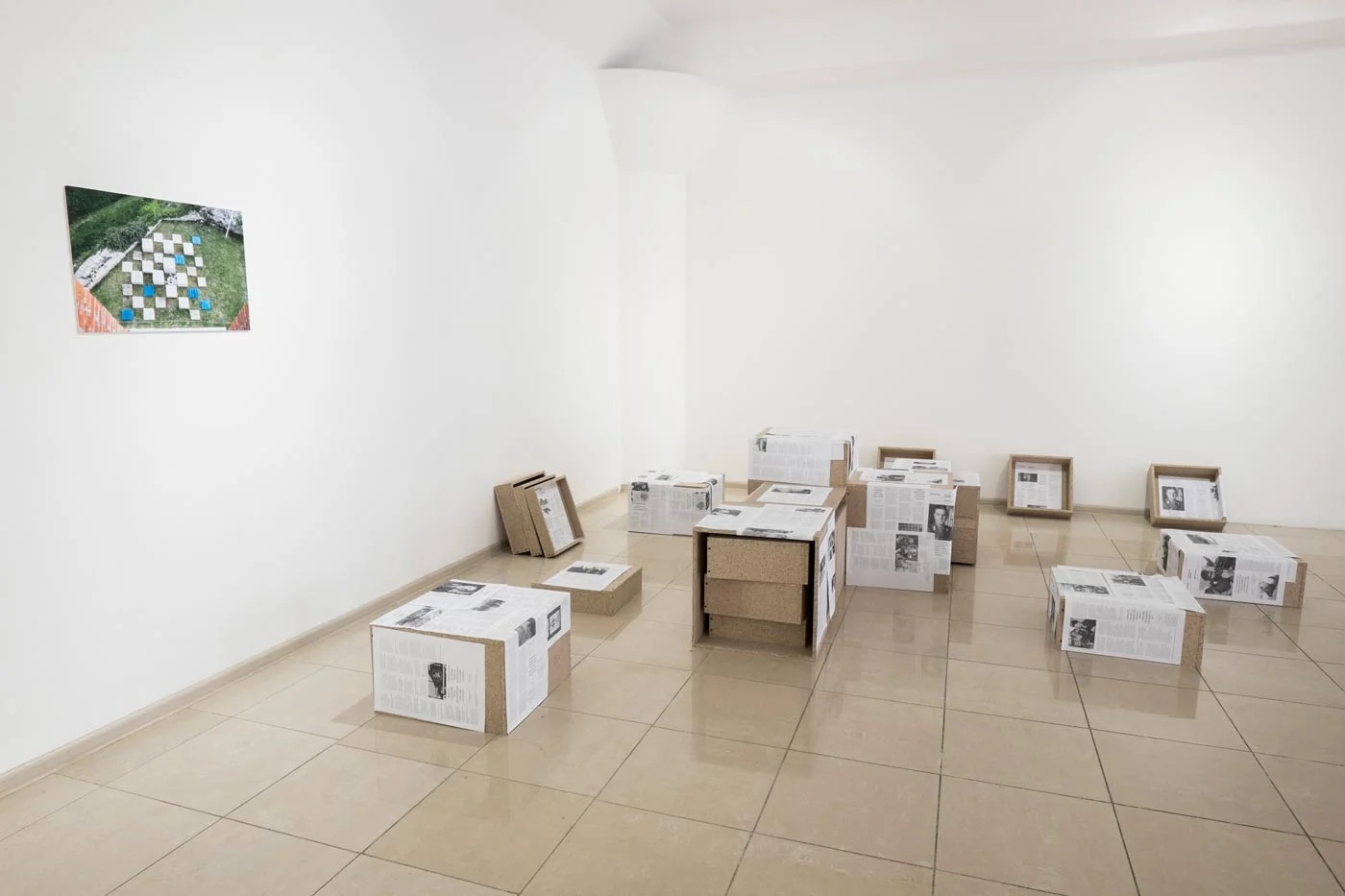
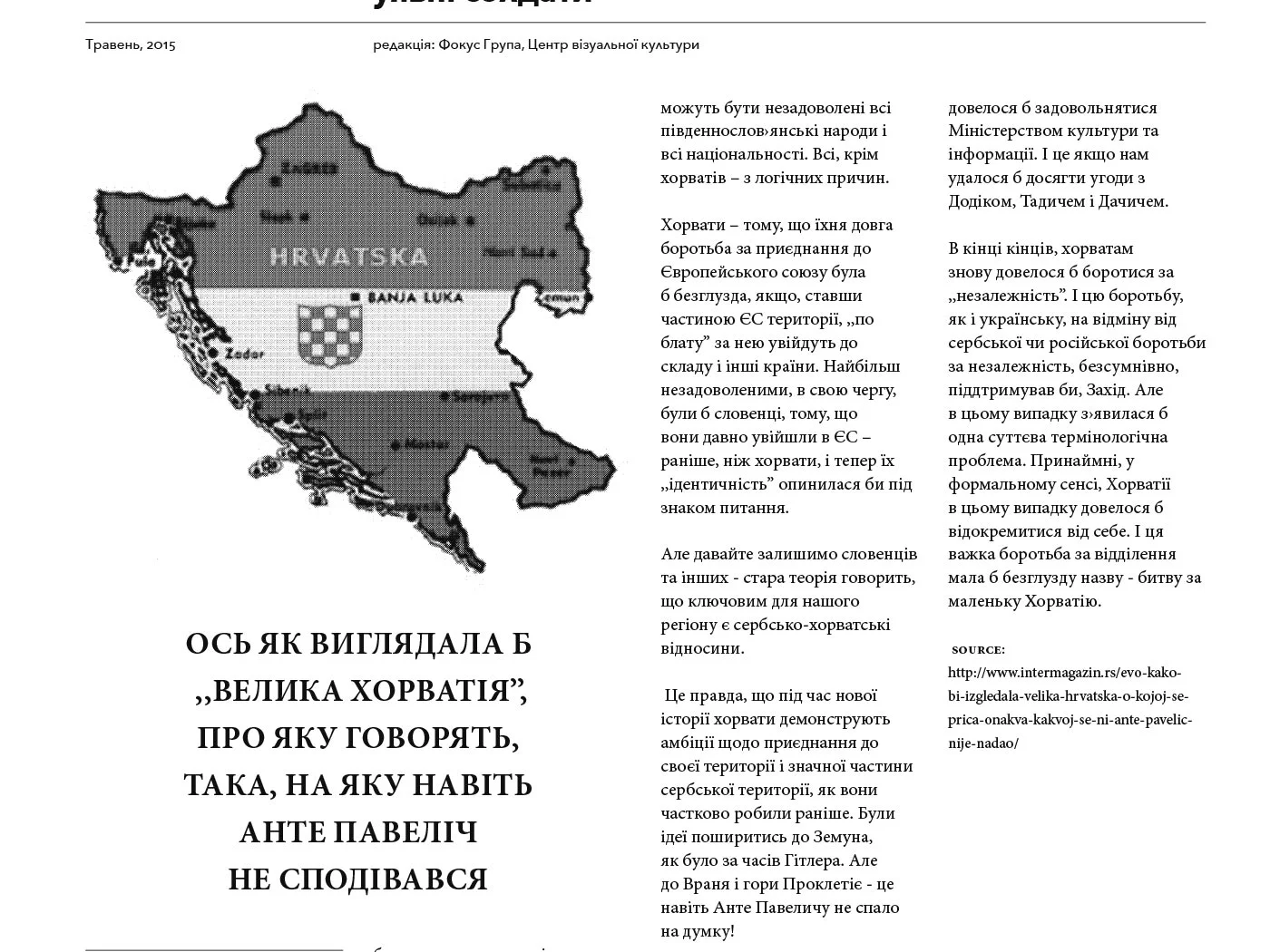
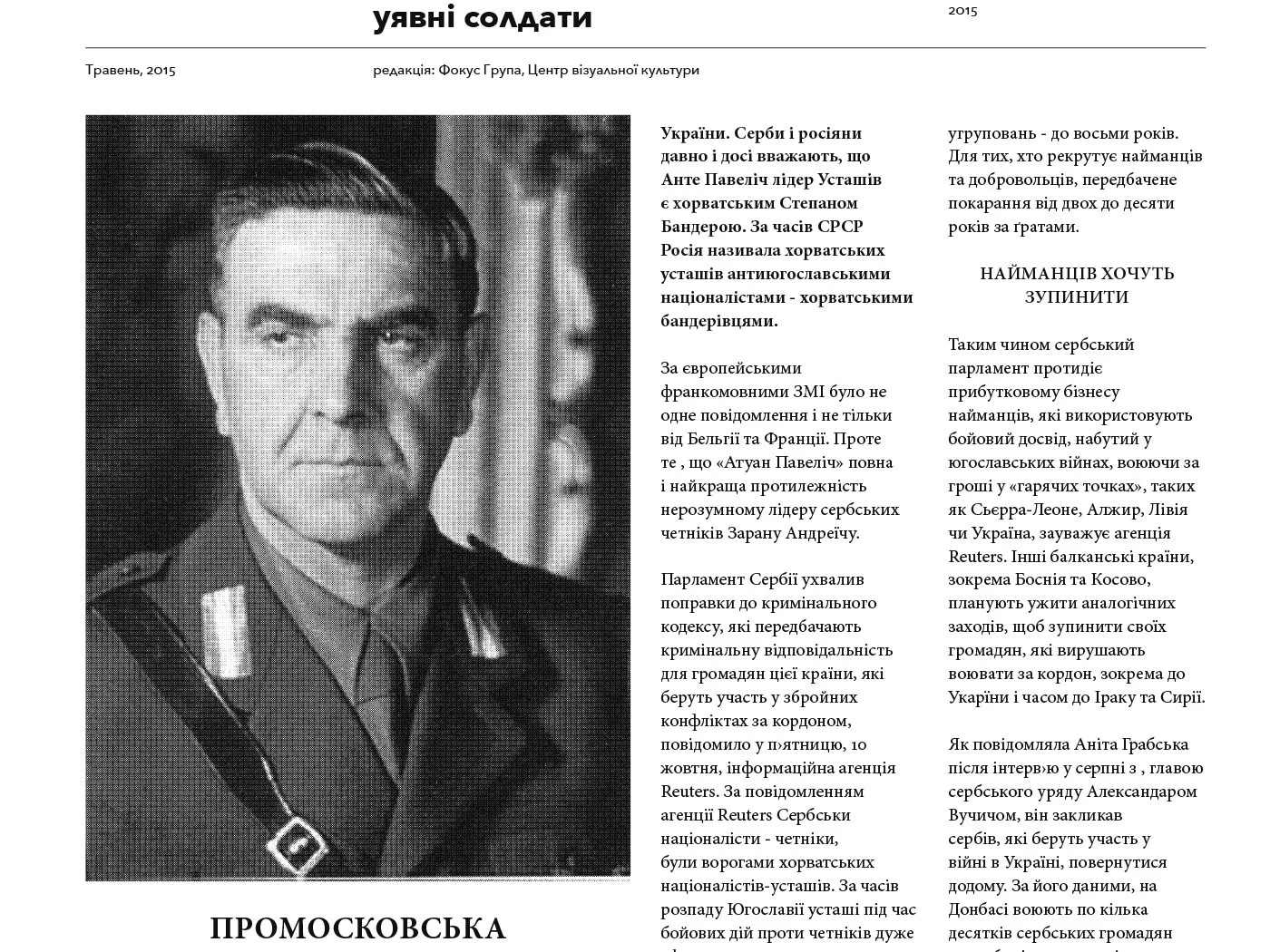
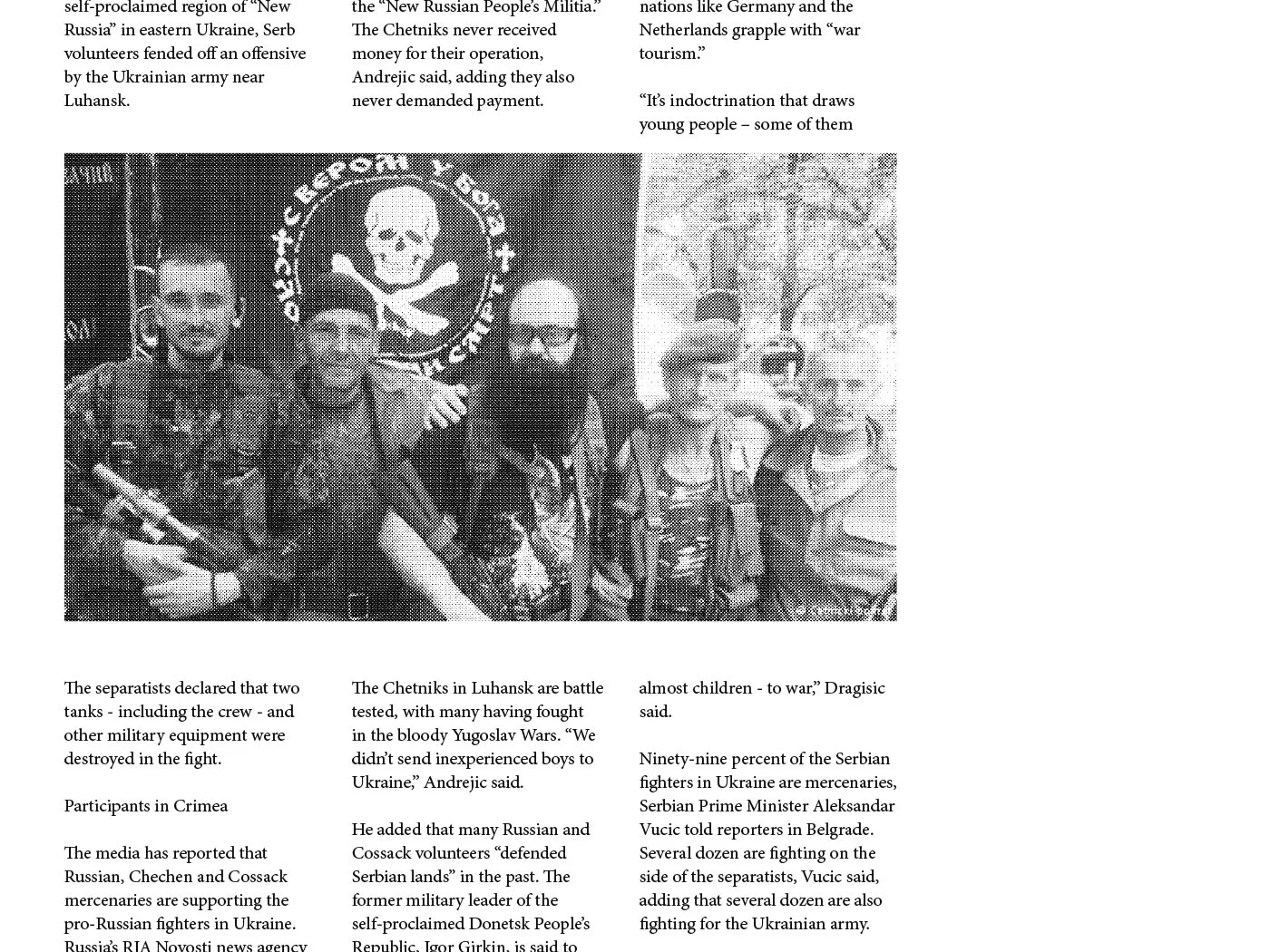
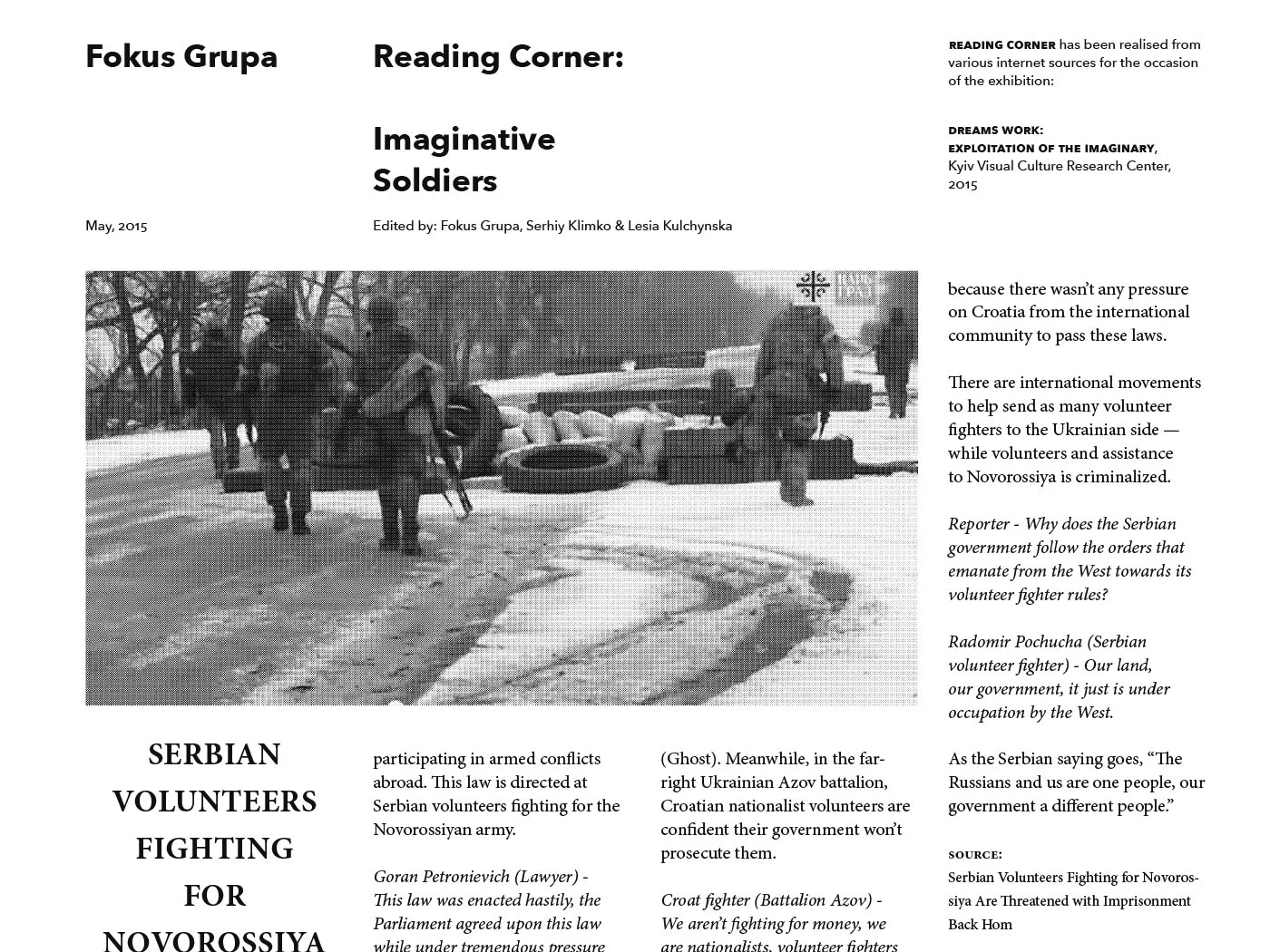
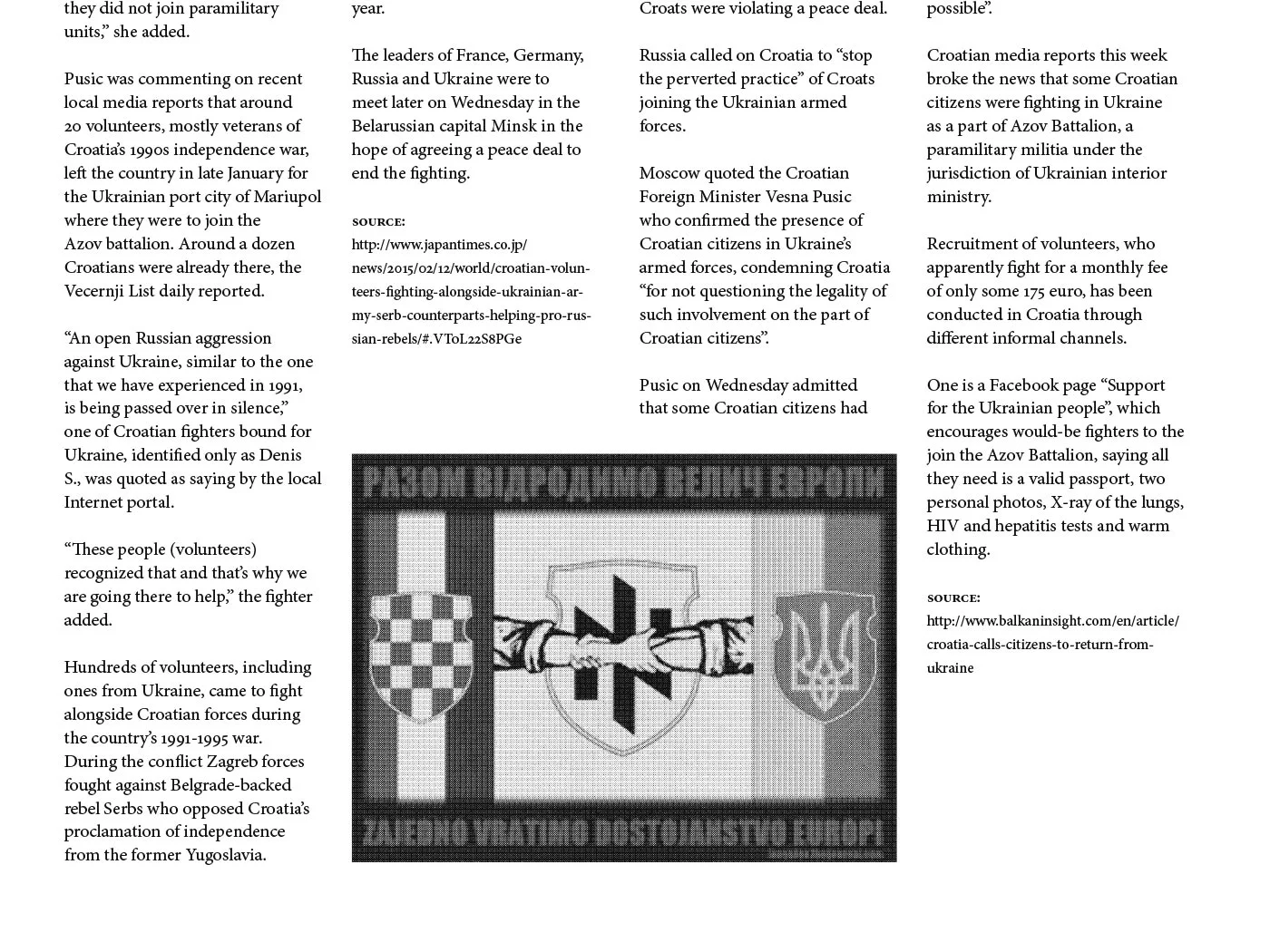
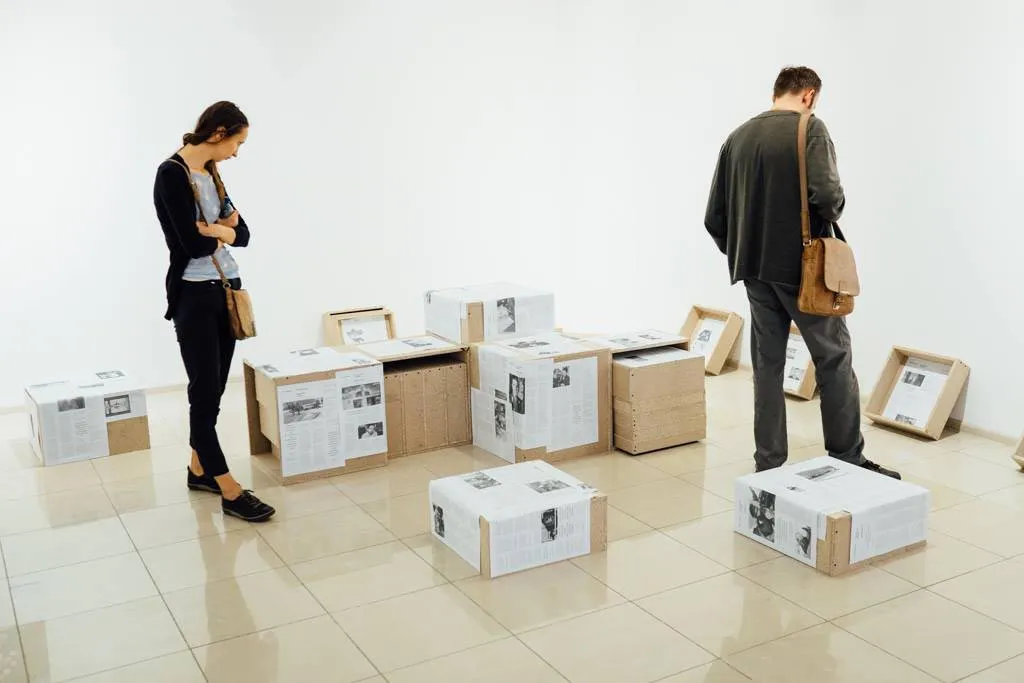
Altar of the Homeland re-articulated by Fokus Grupa, takes it’s material from used furniture in order to create a hybrid sculpture that links fantasy and war with the very idea of a nation. In this new installation the piece becomes a “news-board” presenting a selection of articles about the trans-national links between Croatian right wing and the paramilitaries like AZOV, as well as Serbian right wing with the Russian separatists. This new “Altar of the Homeland” becomes simultaneously a utilitarian and semantical object; serving as the reading corner, a seating place, as well as the conceptual framing.
Details
technical info: sculpture, ambient, modular furniture/ dimensions: variable / year 2015
exhibition view: Some Say You Can Find Happiness There (opens in a new tab), Visual culture research centre, Kyiv
photo credits: VCRC, Kyiv